Top Tips on How Do I Stop the Shakes from Alcohol
- Aug 23, 2025
- 8 min read
If you’re asking ‘how do I stop the shakes,’ you’re likely experiencing uncomfortable and potentially severe tremors, often a sign of alcohol withdrawal. Alcohol shakes are often a result of alcohol misuse, which can have serious health consequences. This guide provides immediate steps you can take to reduce these tremors, including hydration, balanced nutrition, and rest. We’ll also cover medical treatments and long-term strategies to prevent future episodes.
Key Takeaways
Alcohol shakes occur due to the brain’s adaptation to alcohol and can manifest within hours of cessation, potentially lasting weeks.
Alcohol shakes can be a symptom of alcohol use disorder and may require specialized treatment and professional support.
Immediate management strategies for alcohol shakes include hydration, balanced nutrition, and sufficient rest, while severe cases may require medical intervention.
Incorporating lifestyle changes and professional support can help prevent future episodes of alcohol shakes and aid in long-term recovery.
Understanding Alcohol Shakes
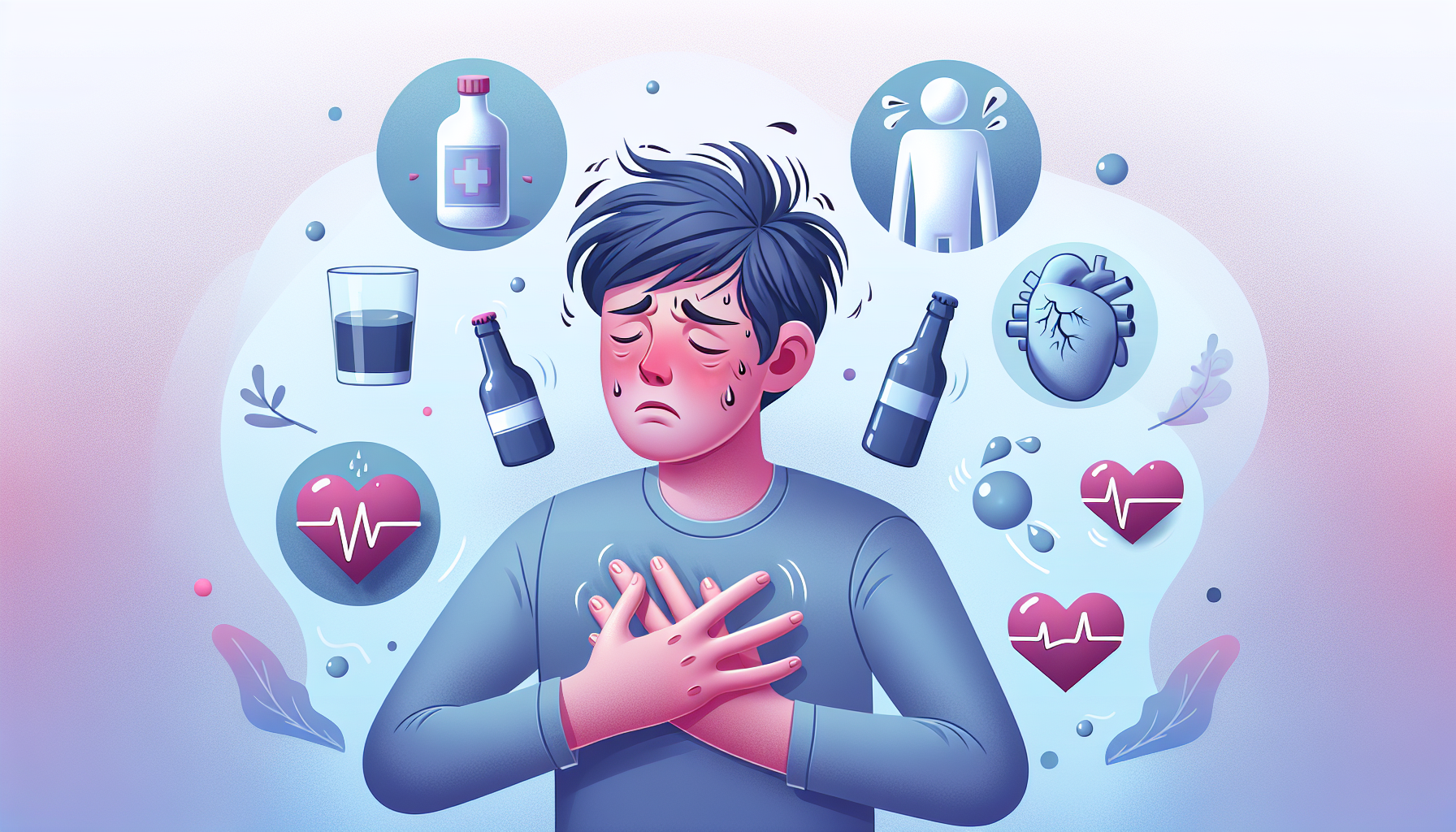
Alcohol shakes, also known as tremors, are involuntary shaking episodes that occur during alcohol withdrawal or after excessive drinking. These shakes are a direct result of the brain’s adaptation to alcohol, which impacts the central nervous system. Alcohol has a depressant effect and sedative effect on the central nervous system, slowing down brain function and calming neural activity. With regular alcohol consumption, the brain adapts to these addictive substances, altering brain function and leading to tolerance. When you stop consuming alcohol, your brain, which has adjusted to the depressant effects of alcohol, goes into a state of heightened alertness, leading to withdrawal symptoms like alcohol tremors. Drinking shaking is a common manifestation of these neurological changes.
The timeline for these shakes can vary. They often start within five to ten hours after the last drink and can peak between 24 to 78 hours. For some, these tremors may last several weeks or longer.
The severity of these shakes can range from mild discomfort to severe conditions, including hallucinations and seizures. Understanding the root cause of these shakes is the first step towards managing them effectively.
Immediate Steps to Reduce Shakes
If you’re experiencing alcohol shakes, there are immediate steps you can take to alleviate them. Hydration, balanced nutrition, and adequate rest play critical roles in managing these symptoms.
In addition to shakes, individuals may experience other symptoms and other withdrawal symptoms such as anxiety, sweating, and nausea.
Taking these steps helps in stopping alcohol shakes and reducing tremors effectively.
Hydrate and Replenish Electrolytes
Staying hydrated is crucial during alcohol detox as it helps flush out toxins and may lessen shakes. Alcohol consumption leads to a rapid loss of fluids and disrupts the body’s mineral balance. To counteract this, aim to drink at least eight glasses of water daily, monitoring hydration by the color of your urine—clear means you’re well-hydrated.
Alcohol can also affect blood pressure and cause changes in blood vessels, such as dilation, which may lead to symptoms like flushing or headaches during withdrawal.
Additionally, replenishing electrolytes is essential. Drinks rich in electrolytes, such as sports beverages and oral rehydration solutions, can help restore the body’s balance. This combined approach of hydration and electrolyte replenishment can significantly alleviate mild alcohol shakes.
Balanced Nutrition
Maintaining a balanced diet is vital for replenishing the vitamins and minerals depleted by excessive alcohol consumption. Alcohol impairs the body's ability to absorb essential nutrients, which can worsen tremors. Focus on incorporating lean proteins, whole grains, vegetables, and fruits into your meals while avoiding sugary sweets. Complex carbohydrates like whole grains can help stabilize blood sugar levels alcohol, providing sustained energy and mitigating the effects of withdrawal.
Additionally, addressing common deficiencies such as B-complex vitamins, calcium, potassium, and magnesium is crucial. Nutritional supplements can also be considered to complement your dietary intake. Chronic alcohol use increases the risk of liver disease, which can further contribute to shakes and neurological symptoms.
Regular meals and snacks can help manage trembling after alcohol consumption.
Rest and Sleep
Adequate sleep is essential in managing withdrawal symptoms, including tremors. Ensuring you get enough rest helps your body recover and reduces the intensity of alcohol shakes.
Establishing a consistent sleep routine and practicing good sleep hygiene can significantly aid in your recovery process.
Medical Treatments for Alcohol Shakes

For those experiencing severe alcohol shakes, medical treatment is often necessary to stop alcohol shakes and manage withdrawal safely. Treatment for alcohol and treatment for alcohol shakes may include detoxification under medical supervision, prescription medications, and ongoing support to address symptoms and prevent complications. Treating alcohol shakes with professional care is the safest way to ensure effective management and reduce risks. Over-the-counter remedies can also provide relief during withdrawal.
Seeking professional help is crucial to manage severe symptoms effectively.
Detoxification Under Medical Supervision
Experiencing tremors when stopping drinking is a critical indication for the need for medical detox. When individuals stop drinking, withdrawal symptoms such as shakes can occur, making medical supervision important. Quitting alcohol cold turkey can lead to drastic consequences and potential relapse, emphasizing the need for professional guidance. Medically supervised detox involves treatment at a hospital, detox center, or inpatient residence, potentially utilizing medication to manage withdrawal symptoms.
Medical supervision is crucial as it ensures safety and effectiveness during the detoxification process. Withdrawal symptoms typically peak 24-48 hours after stopping alcohol use, highlighting the critical timeframe for medical intervention. This approach helps manage severe withdrawal symptoms and prevent complications like delirium tremens.
Prescription Medications
Prescription medications are often used to alleviate alcohol withdrawal symptoms and support recovery. Benzodiazepines such as Xanax, Valium, and Ativan are commonly prescribed to treat severe symptoms like anxiety and alcohol shakes. These medications can be administered in both intravenous and oral forms, with patients being gradually weaned off them as symptoms improve. Certain medications, including benzodiazepines and beta-blockers like propranolol, are specifically prescribed to reduce tremors associated with alcohol withdrawal.
Other medications like baclofen and adrenergics such as Clonidine and beta-blockers help manage symptoms related to alcohol withdrawal. These medications contribute to a safer detox process by reducing withdrawal symptoms.
Over-the-Counter Remedies
Over-the-counter remedies can be useful for managing minor alcohol shakes and withdrawal symptoms. Effective remedies include electrolyte-infused water, well-balanced meals, plenty of sleep, and light exercise.
These approaches can provide significant relief for those who have been drinking alcohol heavily due to heavy alcohol consumption for a short time.
Lifestyle Changes to Prevent Future Shakes

Incorporating healthy lifestyle choices is essential for managing residual shakes and preventing future episodes. Effective strategies include:
Regular physical activity
Deep breathing
Meditation
Limiting alcohol consumption
Having alcohol-free days each week
Avoiding binge drinking, as consuming multiple drinks in a single session increases the risk of shakes and other health problems
These strategies can significantly reduce the risk of future shakes. Individuals with a substance use disorder are at higher risk for recurrent shakes and should seek professional help.
Regular Exercise
Engaging in regular light exercise can enhance overall health and help alleviate the severity of alcohol-related tremors. Physical activities such as walking, yoga, and swimming are beneficial and help improve physical and mental health.
Establishing a structured routine is crucial for maintaining sobriety. Regular exercise can also help manage stress and anxiety, contributing to a more balanced lifestyle and reducing the likelihood of experiencing alcohol shakes.
Stress Management Techniques
Anxiety can worsen tremors associated with alcohol withdrawal. Mindfulness practices like meditation and deep breathing can help reduce the intensity of shaking by promoting relaxation and focus. These techniques are effective in managing stress and anxiety, which are common during recovery.
Support groups provide essential emotional support and coping strategies for individuals recovering from alcohol addiction. Being part of a supportive community can help manage stress and prevent relapse.
Avoiding Triggers
Avoiding individuals who promote unhealthy drinking habits is vital for sustaining recovery. Identifying and steering clear of places or situations that encourage drinking can significantly diminish the likelihood of experiencing alcohol shakes.
Seeking Professional Help

Chronic alcohol users often face serious withdrawal symptoms, making it crucial to undergo medically supervised detox for alcohol abuse. Seeking professional help is essential for managing severe withdrawal symptoms and ensuring a successful recovery journey. Treatment programs frequently address co-occurring disorders, such as mental health issues that accompany alcohol dependence, to provide comprehensive care.
Various treatment options are available to support those struggling with addiction treatment alcohol dependence. A recovering alcoholic may experience persistent tremors and require ongoing support to manage these physical challenges during recovery.
Inpatient and Outpatient Treatment Options
Outpatient therapy generally offers more flexibility compared to inpatient programs, allowing individuals to maintain their daily routines while receiving treatment. This option is suitable for those with mild to moderate alcohol dependence.
Inpatient treatment programs provide a structured environment for individuals seeking intensive support for alcohol dependence. These programs are ideal for those needing a higher level of care and supervision during their recovery journey.
Therapy and Support Groups
Individual therapy is common in addiction recovery to uncover the root cause of addiction. Recovery programs often include individual, group, and family therapy to provide comprehensive support. Group therapy, in particular, offers valuable peer support and allows individuals to share experiences and perspectives, which can be crucial during the recovery journey.
Support groups, such as Alcoholics Anonymous, provide emotional backing and coping techniques. Being part of a supportive community can significantly aid in the recovery process and help prevent relapse.
Long-Term Recovery Strategies
Committing to an effective alcohol treatment program is essential. It plays a crucial role in achieving successful long-term recovery. Avoiding individuals who enable drinking is essential while recovering to maintain sobriety.
Identifying and steering clear of both external and internal triggers can help manage urges to consume alcohol. Building a strong support network is crucial for maintaining long-term sobriety and preventing future alcohol shakes.
The Role of Nutrition in Managing Alcohol Shakes

Chronic alcohol consumption leads to malabsorption of essential nutrients, which is crucial for recovery. A severe lack of thiamine, often seen in chronic drinkers, can lead to significant neurological issues, exacerbating alcohol shakes.
Addressing deficiencies in vitamins such as thiamine (B1), folic acid, magnesium, and zinc is essential. If left untreated, these deficiencies can contribute to neurological disorders, which may worsen tremors. Impaired liver function from heavy drinking can also adversely affect protein synthesis, further complicating recovery.
When to Seek Medical Attention
Severe alcohol withdrawal symptoms include hallucinations, seizures, and delirium tremens. Warning signs that indicate the need for professional help include severe withdrawal symptoms, risk of seizures, and delirium symptoms.
If tremors do not subside after a few days, seek immediate medical care. Symptoms such as high fever, severe confusion, and seizures require urgent medical attention to prevent life-threatening complications.
Summary
In summary, managing and preventing alcohol shakes involves a combination of immediate steps, medical treatments, lifestyle changes, and professional help. Hydration, balanced nutrition, and adequate rest are crucial immediate measures. Medically supervised detox and prescription medications can provide relief for severe symptoms.
Adopting healthy lifestyle changes and seeking professional help are essential for long-term recovery. By following these strategies, you can reduce the frequency and intensity of alcohol shakes, paving the way for a healthier, steadier future.
Frequently Asked Questions
What causes alcohol shakes?
Alcohol shakes occur due to the brain's increased alertness during withdrawal, resulting in involuntary tremors. This often happens when a person reduces or stops alcohol intake after heavy use.
How can I immediately reduce alcohol shakes?
To immediately reduce alcohol shakes, focus on staying hydrated, ensuring balanced nutrition, and getting sufficient rest. These steps can help stabilize your condition effectively.
When should I seek medical attention for alcohol shakes?
You should seek medical attention for alcohol shakes if you experience severe withdrawal symptoms like hallucinations, seizures, or delirium tremens. It's crucial to address these symptoms promptly to ensure your health and safety.
What are the long-term strategies to prevent alcohol shakes?
To prevent alcohol shakes long-term, prioritize regular exercise, effective stress management, and avoiding known triggers, while also considering professional support when necessary. Implementing these strategies consistently can significantly improve your well-being.
What role does nutrition play in managing alcohol shakes?
Nutrition plays a crucial role in managing alcohol shakes by replenishing essential nutrients depleted from chronic alcohol use, which aids in recovery and reduces symptoms. Prioritizing a balanced diet can significantly enhance recovery outcomes.



Comments